

How Lead Management Works in a Well-Structured CRM
Lead management is one of the most critical components of any successful sales strategy. It determines how effectively your business collects, organizes, nurtures, and converts potential customers into paying clients.
But without the right system in place, leads get lost, follow-ups are missed, and opportunities slip away.
A well-structured CRM (Customer Relationship Management) platform changes everything.
It creates a predictable, organized, and measurable lead management process — allowing your team to close more deals with less effort.
In this blog, we’ll break down exactly how lead management works inside a properly configured CRM and why it’s essential for modern businesses.
1️⃣ Lead Capture — Every Lead Enters the System Automatically
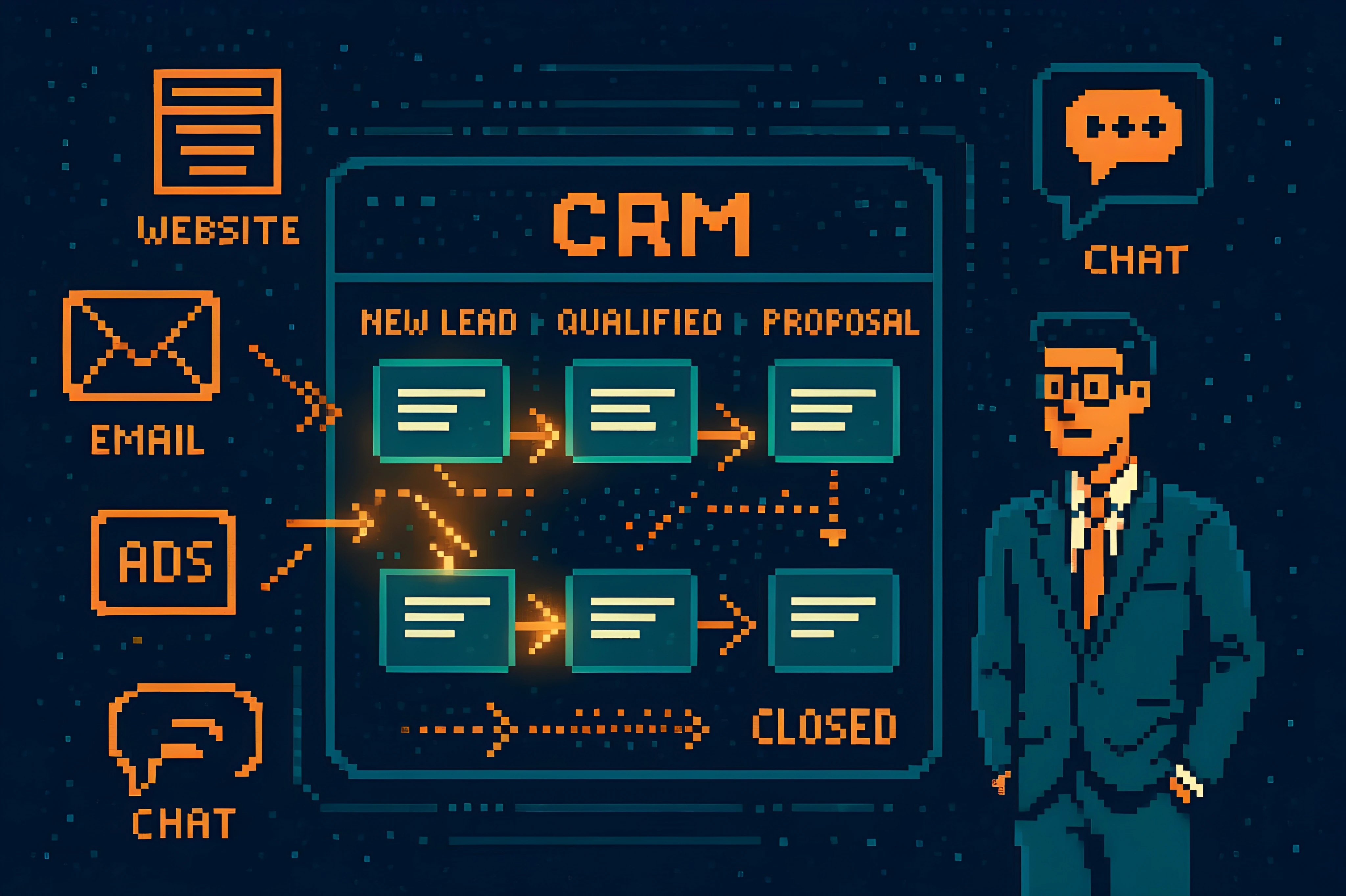
In a strong CRM setup, every lead flows into one centralized database, regardless of where it originated:
-
Website contact forms
-
Landing pages
-
Social media campaigns
-
Facebook/Google Ads
-
Email inquiries
-
Chat widgets
-
Phone call logs
-
Imported lists or referrals
Instead of manually copying data from one tool to another, your CRM automatically captures every lead and creates a profile.
This ensures:
✔ no lost leads
✔ no manual errors
✔ consistent data quality
2️⃣ Lead Qualification — Prioritizing the Leads That Matter Most
Not all leads have the same level of interest or buying intent.
A well-configured CRM includes a lead scoring or qualification process that analyzes each lead based on:
-
behavior (website visits, clicks, downloads)
-
demographics (industry, location, company size)
-
campaign engagement
-
previous interactions
-
urgency or need
The CRM automatically marks leads as:
-
Cold
-
Warm
-
Hot
This helps your sales team focus their time on leads with the highest chance of conversion.
3️⃣ Lead Assignment — Smart Distribution to the Right Team Members
Once a lead is captured and qualified, the CRM routes it to the right person or team, based on rules such as:
-
territory
-
product line
-
workload
-
language
-
pipeline stage
-
team specialization
Assignments can be automated, ensuring faster follow-ups and eliminating confusion.
This improves:
✔ response time
✔ accountability
✔ productivity
4️⃣ Lead Nurturing — Building Trust Through Automated Follow-Ups
Most leads don’t convert right away.
They need time, information, and consistent communication.
A properly set up CRM uses automation workflows to nurture leads with:
-
personalized emails
-
product information
-
reminders
-
offers and promotions
-
educational content
The CRM tracks open rates, clicks, and engagement, helping your team understand when a lead becomes sales-ready.
This turns cold leads into warm opportunities without manual effort.
5️⃣ Lead Tracking — A Full Timeline of Every Interaction
CRM lead management gives you a complete 360° view of each lead:
-
emails sent and received
-
calls
-
meeting notes
-
website activity
-
campaign engagement
-
quotes or proposals
-
support requests
This centralized history ensures every salesperson knows exactly where the lead is in the journey and what needs to happen next.
No guesswork.
No fragmented information.
Just clarity.
6️⃣ Conversion — Moving Leads Through the Sales Pipeline
A strong CRM provides a clear pipeline with stages such as:
-
New Lead
-
Contacted
-
Qualified
-
Proposal Sent
-
Negotiation
-
Closed Won / Lost
Each stage is measurable and transparent.
Your team always knows:
-
how many deals are in progress
-
where leads are getting stuck
-
which stages convert best
-
what revenue to expect
This allows more accurate sales forecasting and smarter business decisions.
7️⃣ Analytics & Reporting — Real Insights for Real Growth
A structured CRM doesn’t just store data — it transforms it into actionable insights.
Analytics dashboards show:
-
lead sources and performance
-
conversion rates by channel
-
productivity of each salesperson
-
pipeline value
-
bottlenecks in the sales process
-
cost per acquisition (CPA)
This helps your team continuously optimize lead management and improve ROI.
Why Lead Management Fails Without a CRM
Without a CRM, companies face:
❌ missed follow-ups
❌ lost or duplicated leads
❌ inconsistent communication
❌ no visibility or accountability
❌ inaccurate forecasting
❌ wasted marketing spend
A CRM fixes all of this by creating structure, consistency, and automation.