


How Digital Platforms Are Transforming the Real Estate Industry
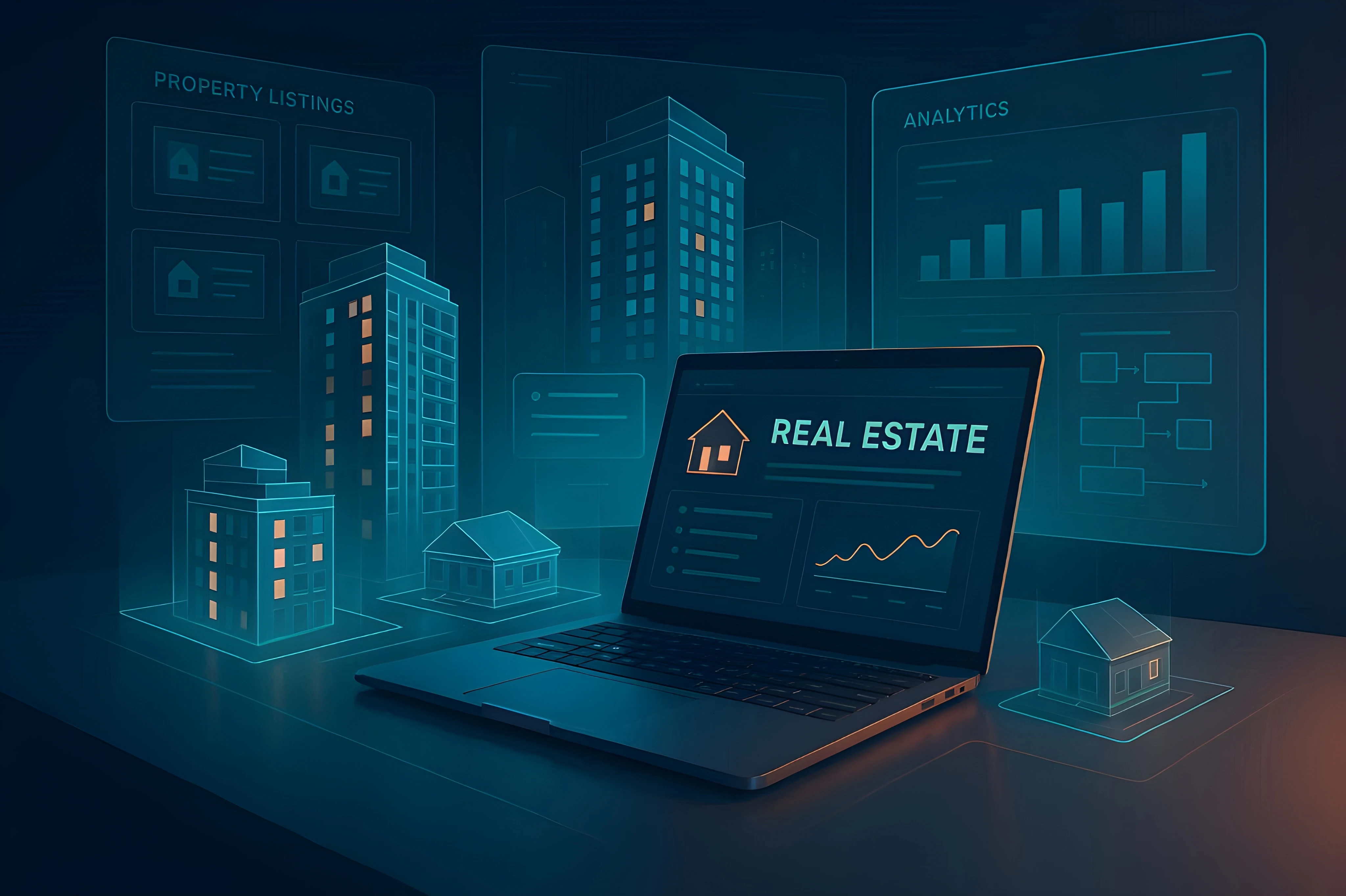
The real estate sector has always been one of the most dynamic and competitive industries. Today, however, digital platforms are reshaping it more rapidly and fundamentally than ever before. From automated lead management to virtual property tours, real estate companies that embrace digital transformation are gaining a major strategic advantage — while those who don’t risk falling behind in an increasingly tech-driven market.
In this article, we explore how modern digital platforms are changing the real estate landscape and why adopting these tools has become essential for growth, efficiency, and customer satisfaction.
1. End-to-End Automation of Sales Processes
Digital real estate CRMs and management systems now automate the entire sales pipeline:
-
Lead capturing from Facebook, Google, WhatsApp, websites, and offline sources
-
Automatic lead distribution to agents
-
Real-time status updates (New → Contacted → Scheduled → Closed)
-
Automated reminders, follow-ups, and document attachments
Instead of manual spreadsheets and scattered communication, real estate agencies have a centralized command center where every lead, client, and transaction is tracked with precision.
Result: Faster sales cycles, reduced human error, and higher closing rates.
2. Centralized Data and Better Decision-Making
Digital platforms give management access to organized, actionable insights:
-
Conversion rate by agent
-
Marketing channel performance
-
Demand trends for specific property types
-
Revenue forecasts
-
Agent performance analytics
This level of transparency allows agencies to make data-driven decisions rather than relying on guesswork.
Result: Smarter budgeting, targeted marketing, and optimized team performance.
3. Enhanced Customer Experience
Modern buyers expect transparency, speed, and convenience — and digital tools make this possible:
-
Online property catalogs with filters and comparisons
-
Virtual tours, 3D walkthroughs, and interactive floor plans
-
Automated appointment scheduling
-
Instant communication through chatbots and integrated messaging
-
Digital contract signing and document sharing
These features create a seamless customer journey where clients can explore properties, communicate with agents, and progress through deals without friction.
Result: Higher trust, improved satisfaction, and better client retention.
4. Real-Time Communication Across the Entire Team
Digital platforms remove the communication gaps that often slow down real estate operations:
-
Agents receive instant notifications and updates
-
Managers track progress in real time
-
Developers and construction teams can share updates and documents
-
Departments work together within the same system
Everything becomes faster, more transparent, and more collaborative.
Result: More efficient operations and fewer missed opportunities.
5. Marketing Automation and Lead Nurturing
Real estate is heavily marketing-driven, and digital tools now automate complex tasks such as:
-
Retargeting ads
-
Email drip campaigns
-
Auto-messaging for new leads
-
Personalized recommendations
-
Analytics-driven ad spending optimization
Agencies no longer waste advertising budgets — every marketing campaign becomes measurable and optimizable.
Result: Increased lead quality and better return on marketing investment.
6. Secure Storage of Documents and Transactions
Digital platforms store:
-
Contracts
-
Property documents
-
Loan and mortgage files
-
Identity verification data
-
Photos, videos, and project presentations
All files remain secured, accessible, and shareable.
Result: Reduced administrative load and safer document handling.
7. Scalability for Growing Real Estate Businesses
Whether a company manages 10 properties or 10,000, digital systems scale effortlessly:
-
New agents can be onboarded quickly
-
New property listings can be added instantly
-
Multi-branch operations can be controlled from one dashboard
As the business grows, the platform grows with it — without requiring new manual processes.
Conclusion
Digital platforms are no longer optional for the real estate industry — they are the foundation of modern, competitive operations. From automation and data analytics to customer experience and secure documentation, real estate companies that adopt these tools gain a strong advantage in efficiency, accuracy, and growth potential.
For agencies and developers ready to embrace digital transformation, investing in a custom CRM/LMS or an end-to-end real estate management system is the most powerful step toward staying ahead of the market.