

What Digital Transformation Actually Means for Traditional Companies
Digital transformation is one of the most widely used terms in modern business discussions. However, for many traditional companies the concept often feels abstract or overly technical. Some associate it only with new software, while others think it requires a complete rebuild of their operations.
In reality, digital transformation is not simply about technology. It is about using digital tools and systems to fundamentally improve how a company operates, delivers value to customers, and makes decisions.
This article explains what digital transformation actually means for traditional businesses and why it has become a critical step for long-term competitiveness.
Understanding Digital Transformation
Digital transformation refers to the process of integrating digital technologies into all areas of a business. The goal is to improve efficiency, reduce manual work, and create better customer experiences.
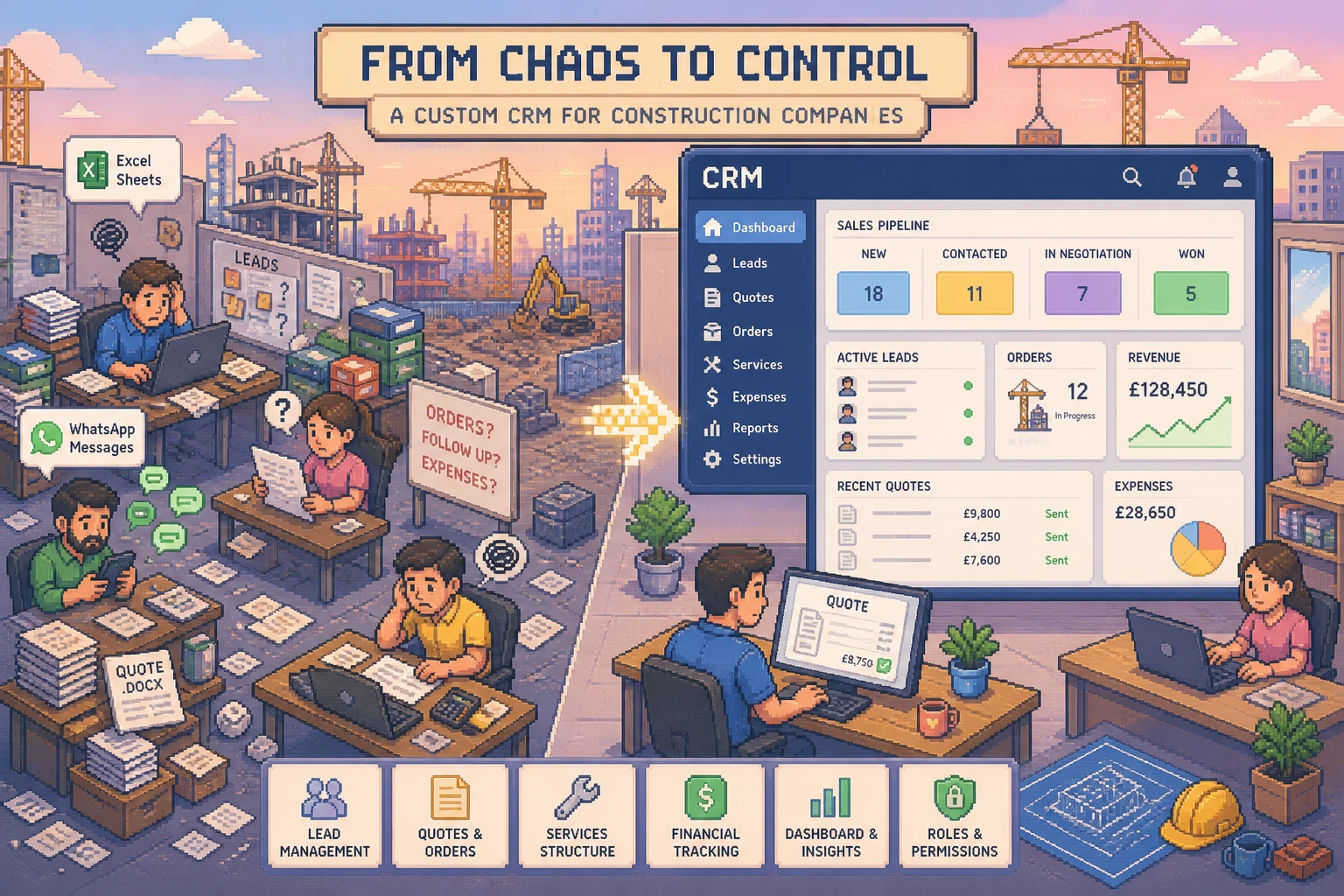
For traditional companies, this transformation usually involves moving away from manual or outdated processes toward systems that are automated, connected, and data-driven.
Examples include:
-
Replacing paper-based processes with digital workflows
-
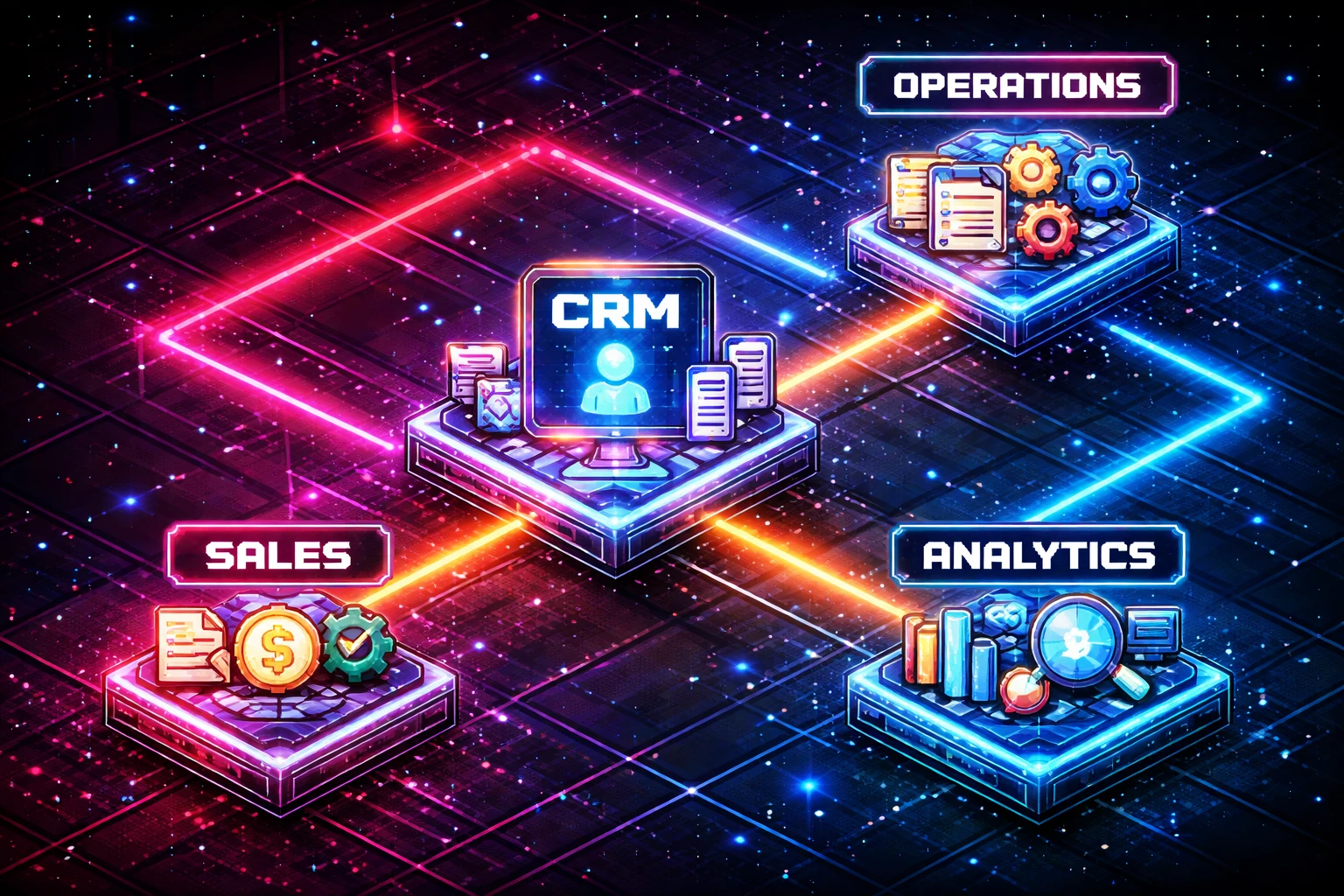
Implementing CRM or ERP systems to manage operations
-
Using data analytics to support decision-making
-
Automating repetitive administrative tasks
-
Creating digital channels for customer interaction
The transformation is not limited to one department. It typically affects operations, customer service, marketing, management, and internal communication.
Why Traditional Businesses Need Digital Transformation
Many traditional companies have operated successfully for decades without advanced digital systems. However, market expectations have changed significantly.
Customers now expect faster service, online accessibility, and more personalized experiences. At the same time, competitors increasingly rely on automation and data to operate more efficiently.
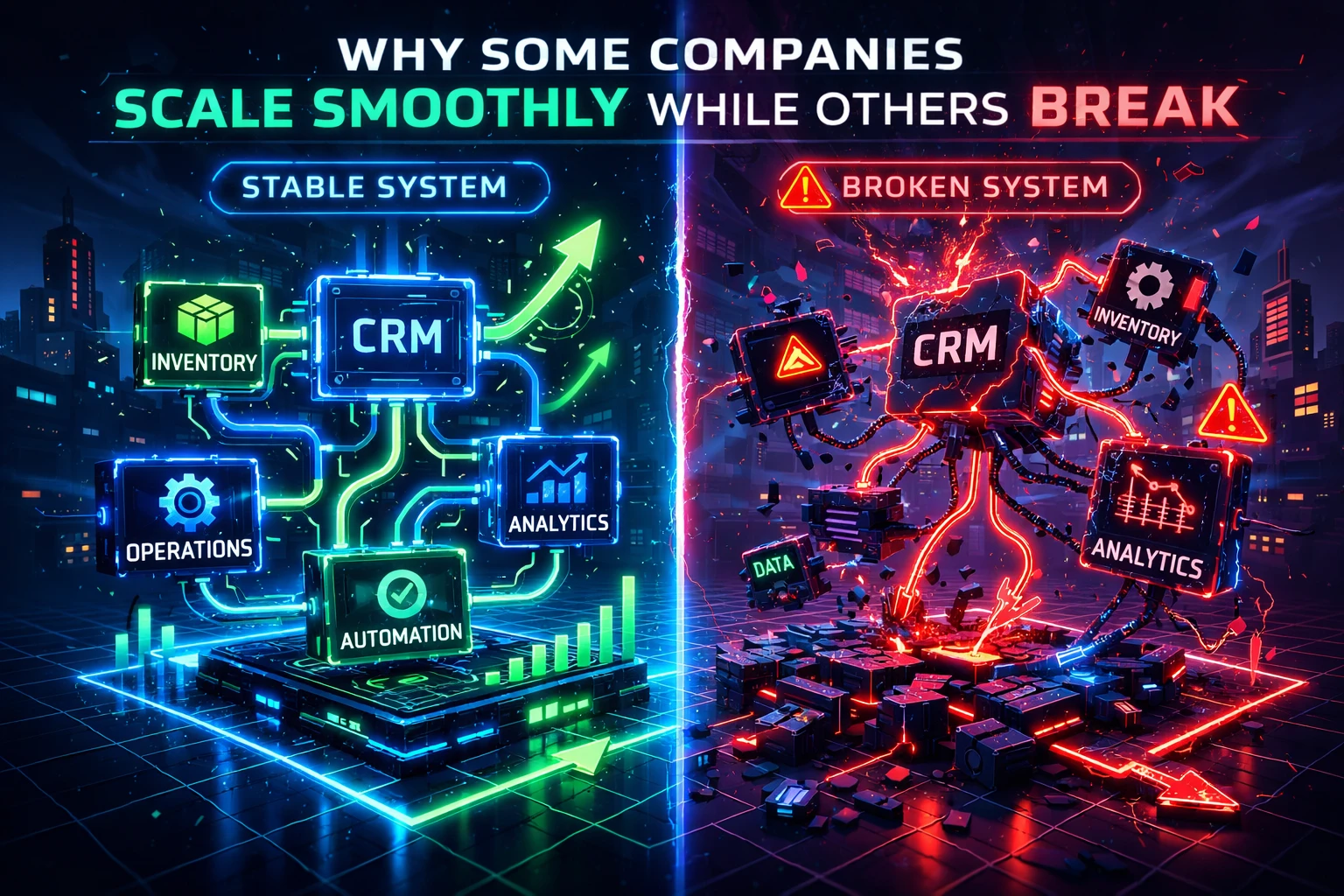
Without digital transformation, businesses often face several challenges:
-
Slow internal processes
-
High operational costs
-
Limited visibility into business performance
-
Difficulty scaling operations
-
Reduced competitiveness in digital markets
Adopting modern technologies helps companies address these issues and remain relevant in a rapidly evolving business environment.
Common Areas of Digital Transformation
Digital transformation usually occurs gradually and focuses on several key areas.
1. Process Automation
Many traditional businesses rely heavily on manual processes such as spreadsheets, paper documents, or email-based workflows. Automation tools and business systems can significantly reduce the time required for routine tasks.
Examples include automated invoicing, digital approvals, and workflow management systems.
2. Data-Driven Decision Making
Traditional companies often rely on experience and intuition when making decisions. While experience remains valuable, digital systems allow companies to analyze real-time data and identify trends more accurately.
Dashboards, analytics platforms, and reporting tools help management make informed decisions based on measurable insights.
3. Customer Experience
Digital transformation also improves how businesses interact with customers. Online platforms, self-service portals, and digital communication channels allow companies to provide faster and more convenient service.
Customers can track orders, submit requests, or access support without delays.
4. Integration of Systems
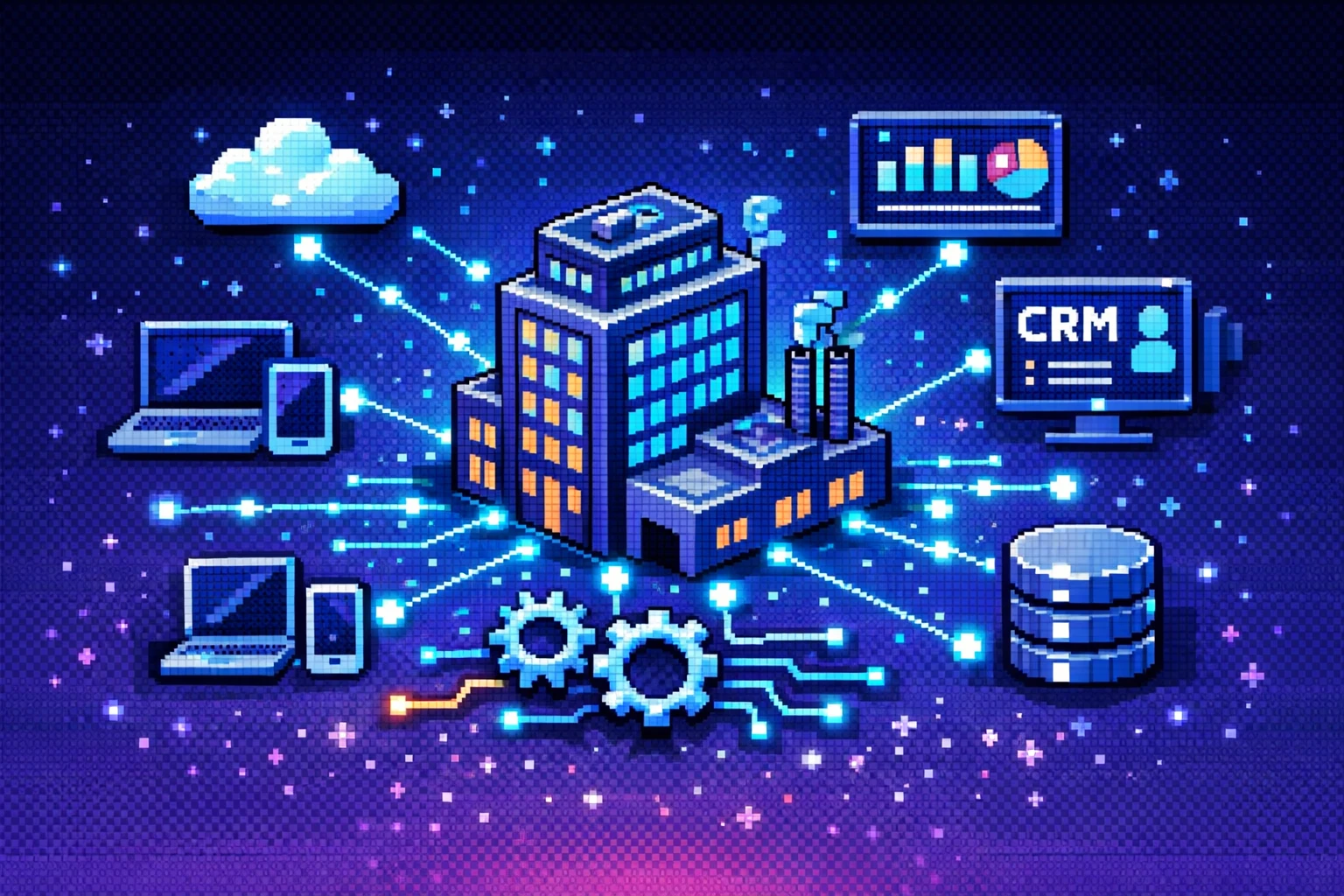
Many older organizations operate with disconnected tools and databases. Digital transformation focuses on connecting these systems so information flows automatically between departments.
For example, sales data from a CRM system can automatically update accounting software or inventory systems.
Challenges Companies Often Face
Although the benefits are clear, digital transformation is not always easy to implement. Traditional organizations frequently encounter several obstacles:
-
Resistance to change from employees
-
Legacy systems that are difficult to replace
-
Lack of internal technical expertise
-
Unclear digital strategy or roadmap
Successful transformation requires careful planning, leadership support, and a structured implementation process.
Digital Transformation Is a Business Strategy, Not Just Technology
One of the most important misconceptions about digital transformation is that it is purely an IT initiative. In reality, it is a strategic business decision.
Technology is simply the tool that enables companies to redesign processes, improve efficiency, and create new opportunities.
Organizations that approach digital transformation strategically tend to see improvements in productivity, customer satisfaction, and long-term growth.
Conclusion
Digital transformation represents a shift in how traditional businesses operate in a modern, technology-driven economy. It involves more than adopting new tools; it requires rethinking processes, improving decision-making, and enhancing customer experiences.
For traditional companies willing to adapt, digital transformation offers a clear opportunity to increase efficiency, remain competitive, and build a stronger foundation for future growth.